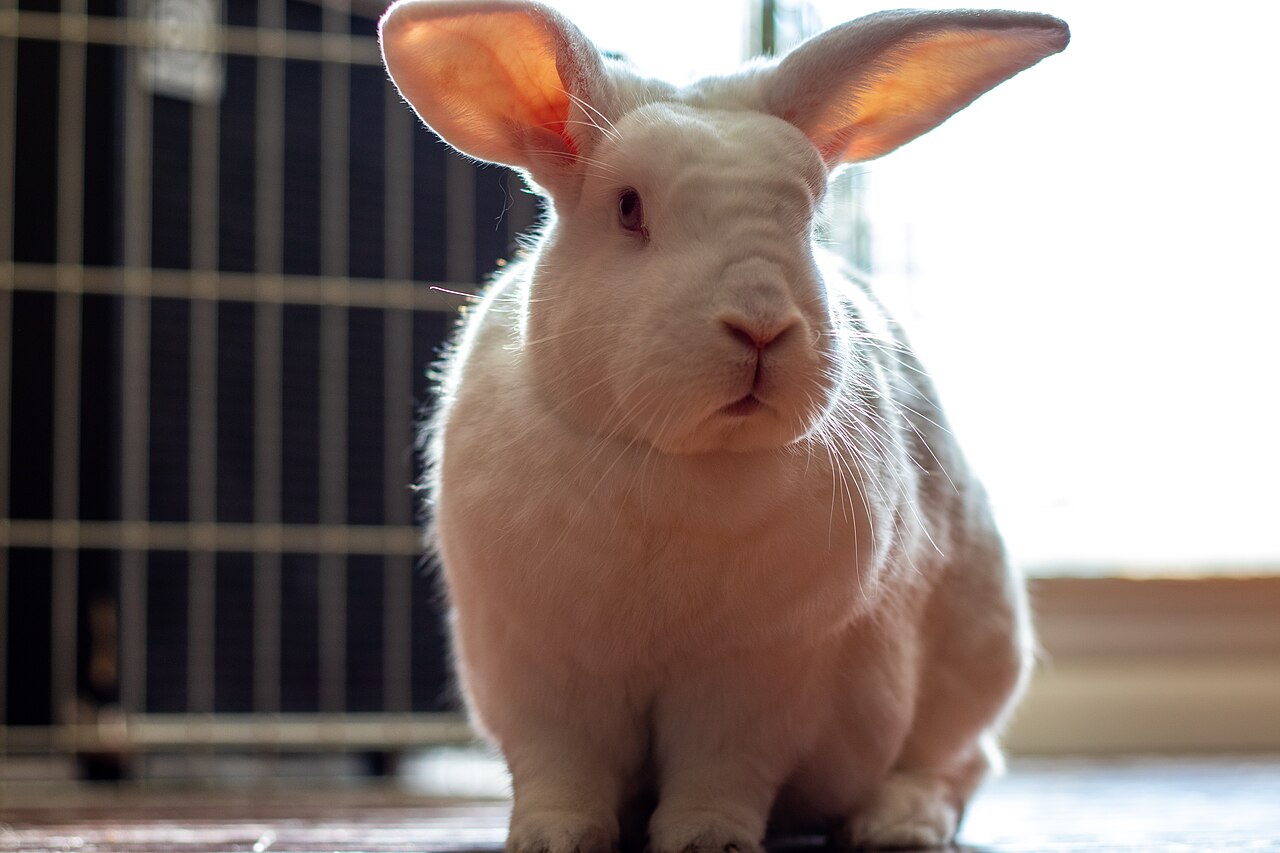
New Zealand
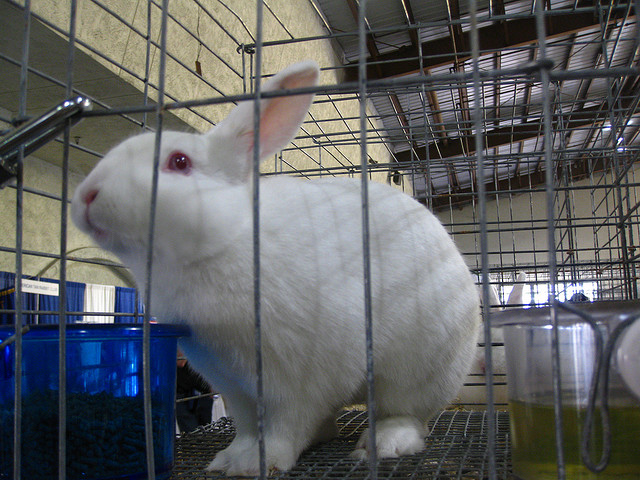
Penn State ranks the New Zealand White first for meat.
- Adult weight
- 9–12 lb
Watch out: not ideal if you want the best meat-to-bone ratio from a purebred. Texas A&M names lower dress-out as the White's weak point.
The rabbit breeds our sources name for meat, and what each one is good for. Start with the breeds Penn State ranks highest.
| # | Breed | Pick | Adult weight | Litter size | Typical price | Beginner |
|---|---|---|---|---|---|---|
| 1 | New Zealand | The standard meat breed | 9–12 lb | Not recorded | Not recorded | |
| 2 | Californian | Penn State's second choice | 8–10.5 lb | 7–10 kits | Not recorded | |
| 3 | Silver Fox | Best for meat and pelts | 9–12 lb | 6–8 kits | $25–$150 | |
| 4 | Rex | Best pelt | 8–10.5 lb | Not recorded | $25–$100 | |
| 5 | Standard Chinchilla | Heritage pick | 5–7.5 lb | 6–8 kits | Not recorded | |
| 6 | Florida White | Best for a small household | 4–6 lb | Not recorded | Not recorded | |
| 7 | Flemish Giant | Best for crossing | 13 lb or more | Not recorded | $150–$200 |
How we chose. Every breed here is one our sources name as a meat breed. Where Penn State ranks breeds for meat, we follow its order. The rest are in order of adult weight, heaviest first. The Flemish Giant comes last: Penn State lists it as a large meat rabbit but ranks the medium-weight New Zealand White first.

Penn State ranks the New Zealand White first for meat.
Watch out: not ideal if you want the best meat-to-bone ratio from a purebred. Texas A&M names lower dress-out as the White's weak point.

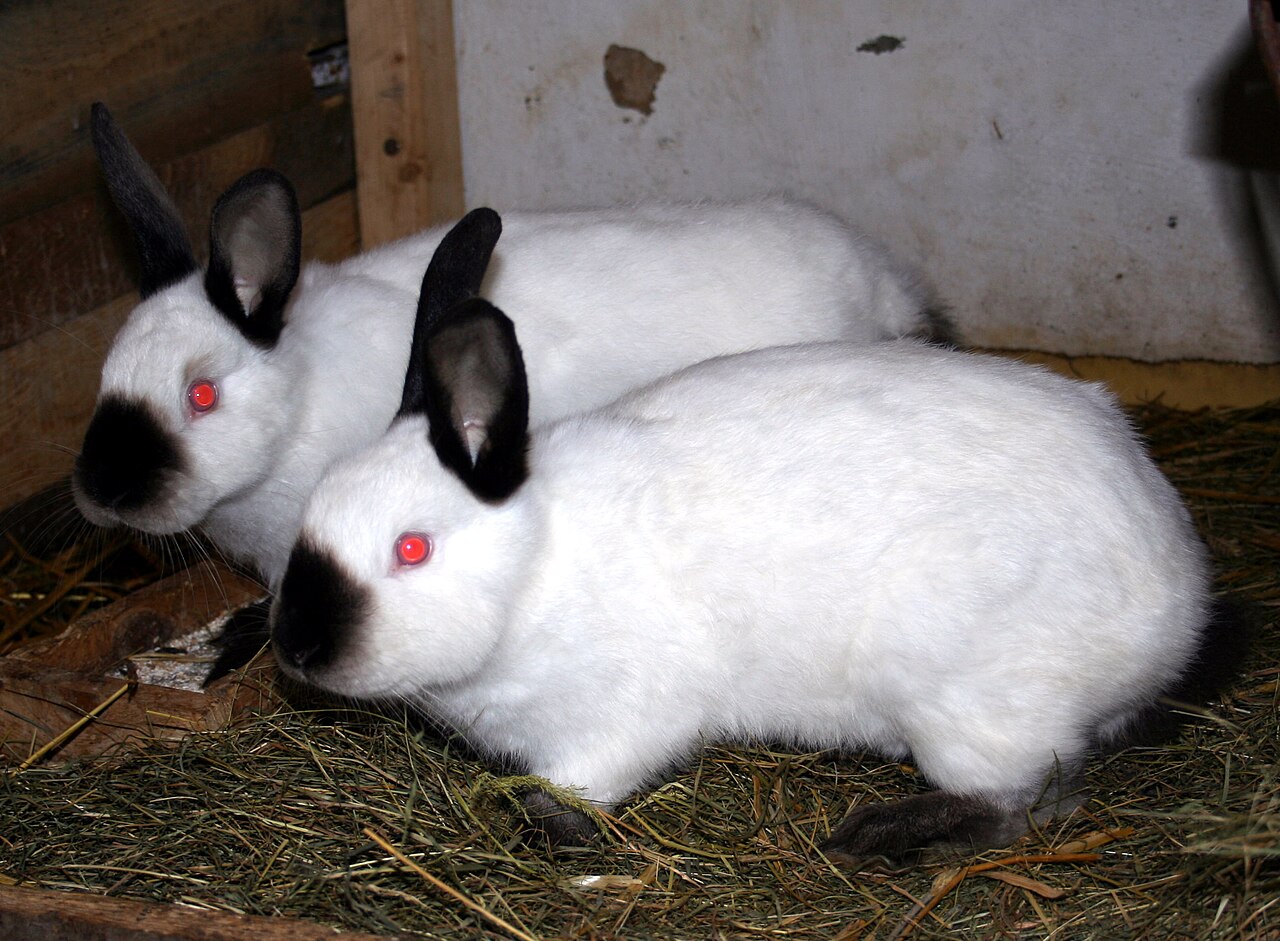
Penn State ranks it second only to the New Zealand White for meat. Texas A&M says Californian bucks on New Zealand White does can improve fryer meat yield.
Watch out: not ideal if you want a choice of colours: there is one variety.

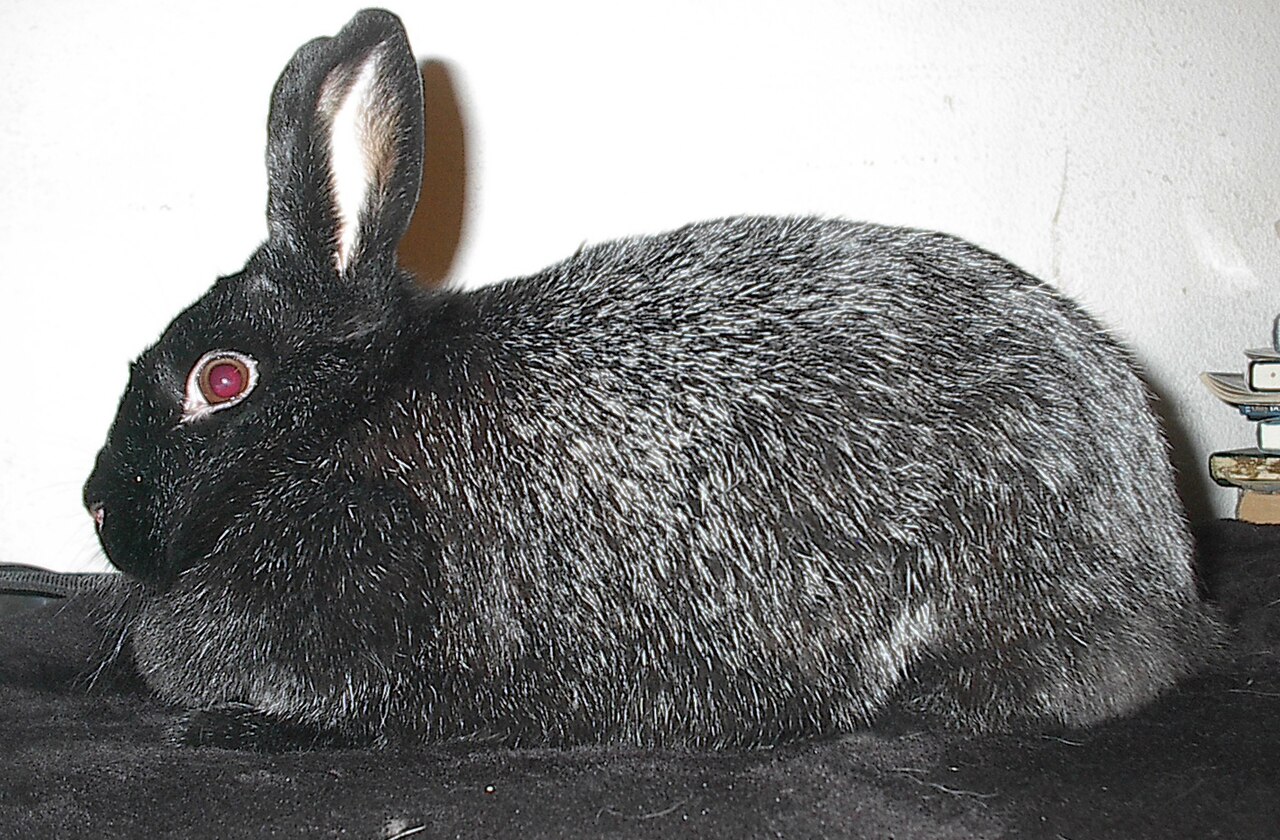
A meat and fur breed with a dense coat. Does have plenty of milk and often accept foster kits, and The Livestock Conservancy rates the breed for novices.
Watch out: not ideal if you want blue rabbits you can show. Only black and chocolate are recognised.

ARBA calls the Rex the number one breed for fur, and Texas A&M credits it with excellent meat-producing qualities. Penn State lists its main use as fur, not meat.
Watch out: not ideal if your cages have bare wire floors and you don't want to add resting boards.

The smallest of the three Chinchilla breeds, kept for fur, meat and show. The Livestock Conservancy lists it as Threatened, and we found no breeder pages with posted prices, so stock may take some finding.
Watch out: not ideal if you want the most meat per rabbit. The American Chinchilla reaches 12 lb and the Giant Chinchilla 16 lb.

Developed as a small fryer for small families. The breed club describes firm flesh, small bones and very little waste, and calls the does excellent mothers.
Watch out: not ideal if you want the most meat per litter. New Zealands and Californians are about twice the size.

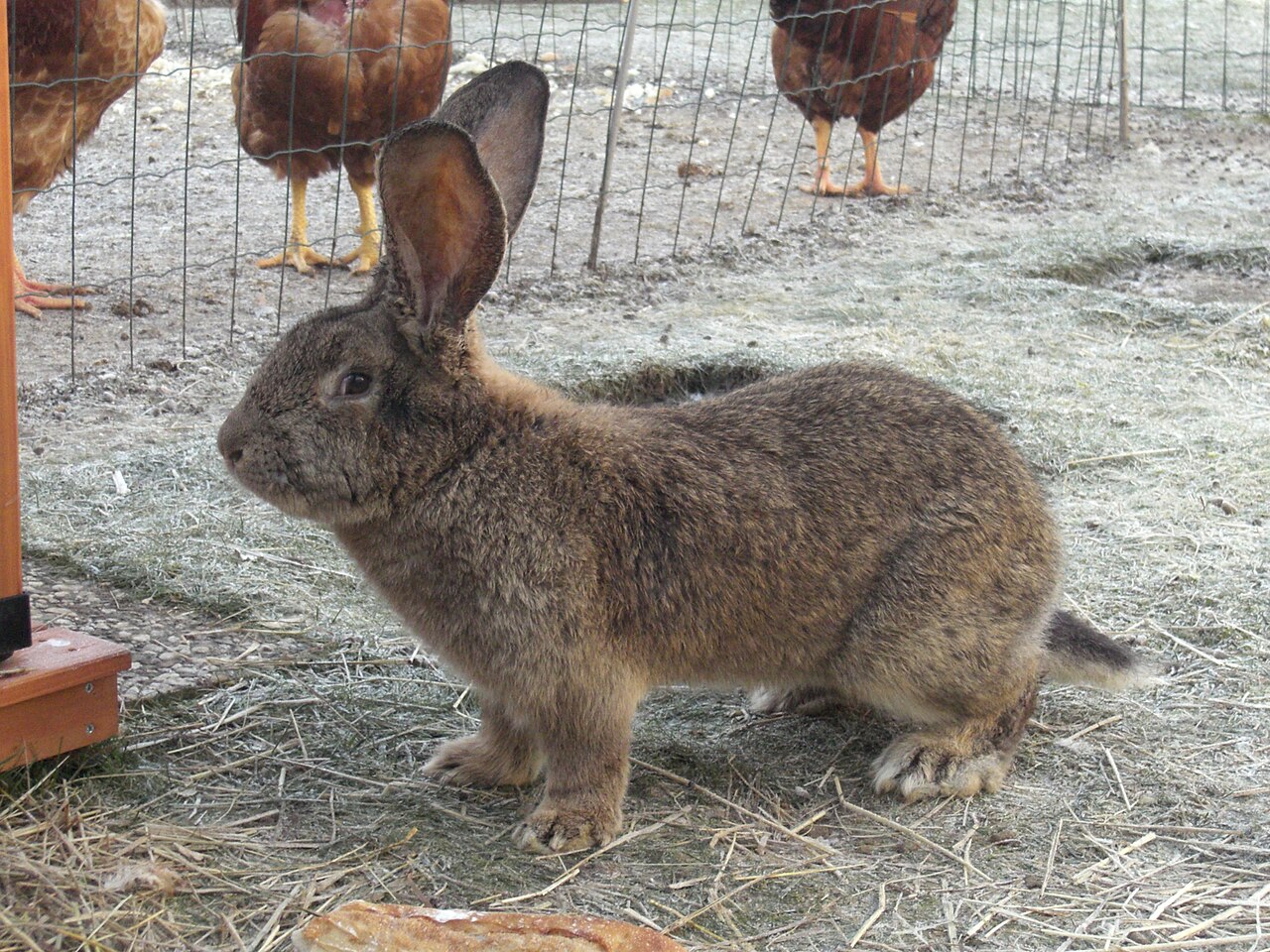
Flemish Giant bucks on New Zealand White does give faster-gaining fryers. It is a terminal cross, so all the offspring go for meat.
Watch out: The rabbit is for a child to carry and care for alone.
Penn State ranks the New Zealand White first for meat and the Californian second.
Penn State lists the Flemish Giant as a large meat rabbit, but ranks the medium-weight New Zealand White first. Flemish Giant bucks are also crossed onto New Zealand White does for faster-gaining fryers.
For commercial meat rabbits in general, Penn State says 8 to 10 kits a litter and Texas A&M says 7 to 8.
Penn State's figure for fryers of commercial meat breeds in general is about 5 lb at about 10 weeks.